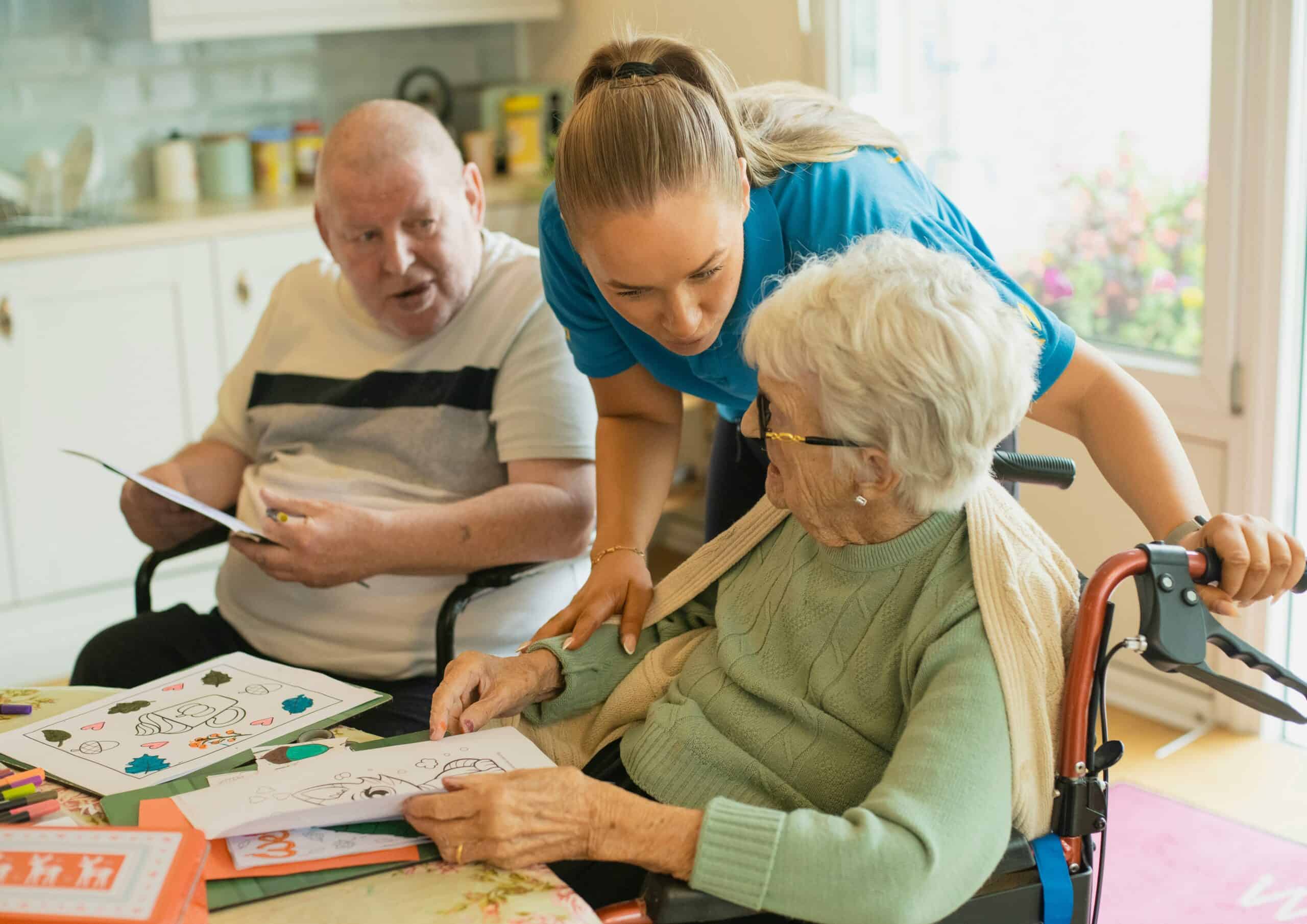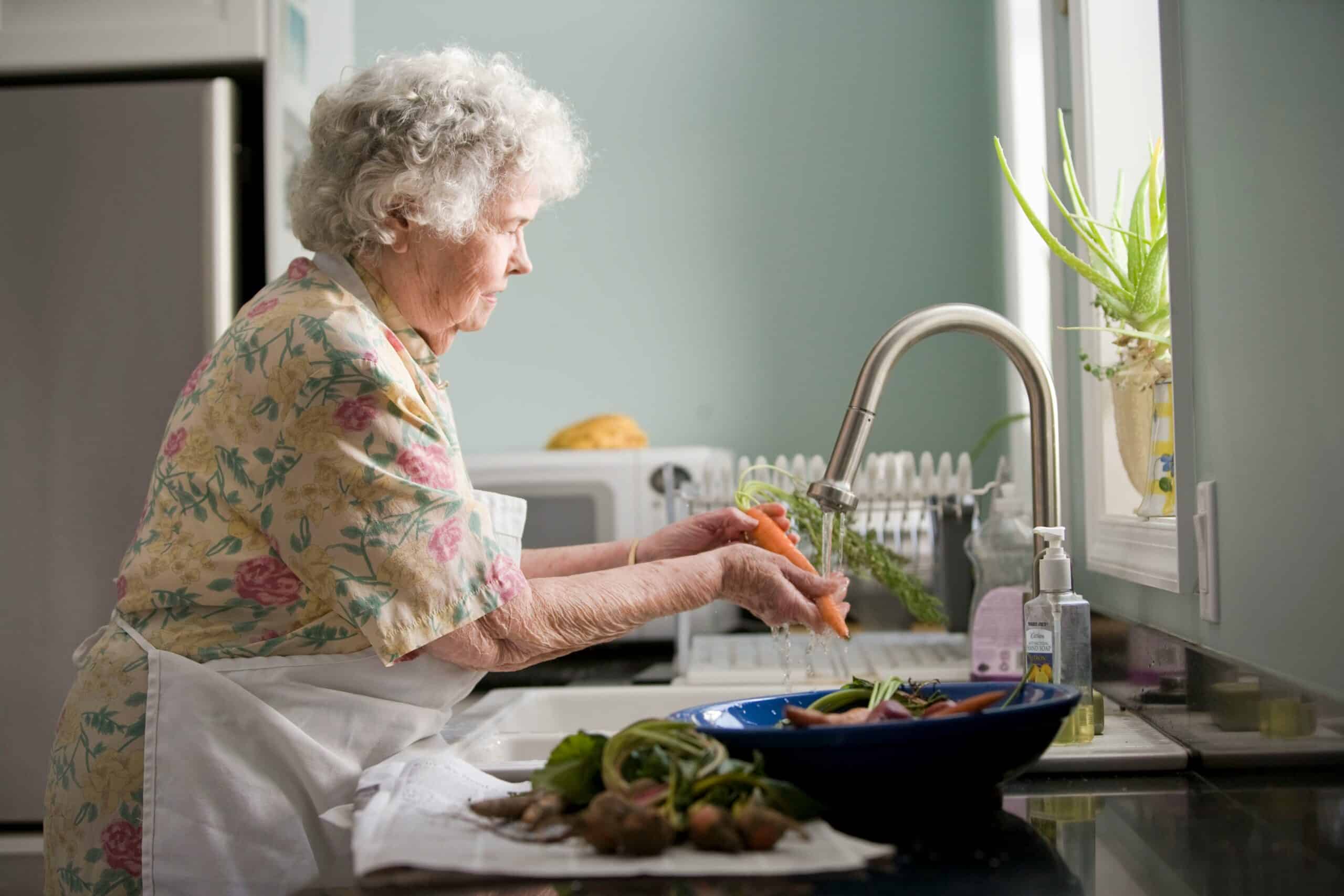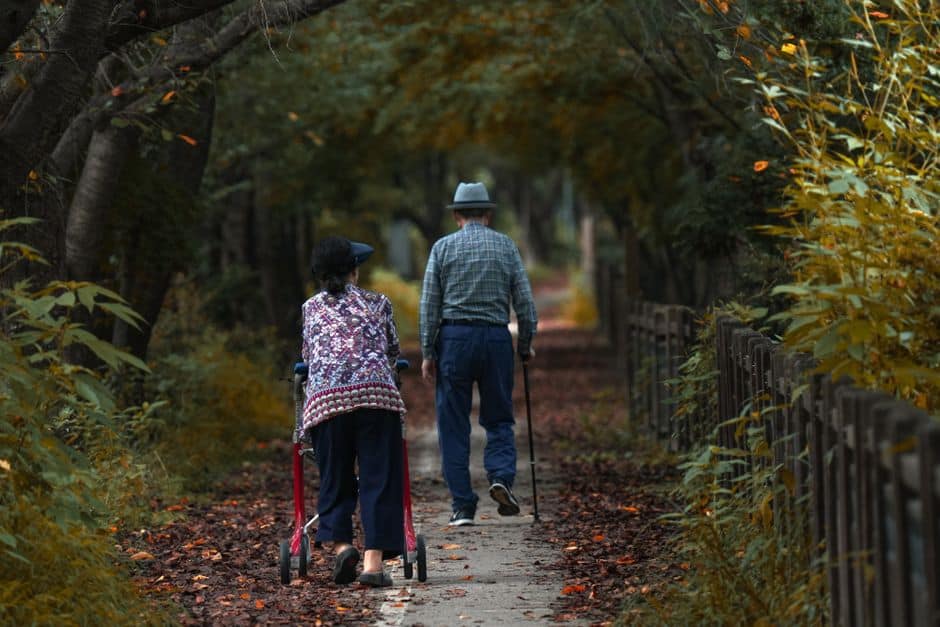
For many older adults, remaining in their own home for as long as possible is an important personal goal. Familiar surroundings, established routines, and a sense of independence often make staying at home an attractive option. This concept, commonly known as aging in place, has become increasingly popular as life expectancy continues to rise and more seniors seek alternatives that allow them to maintain their autonomy.
While aging in place offers several advantages, it also presents challenges that families should carefully consider. Health concerns, safety risks, caregiving responsibilities, and financial considerations can all influence whether remaining at home continues to be the best long-term solution. Understanding these challenges allows families to make informed decisions and create plans that support the well-being of their loved ones.
What does aging in place mean?
Aging in place refers to the ability of older adults to live safely, comfortably, and independently in their own homes as they age, regardless of changes in health or mobility.
For many seniors, remaining in a familiar environment provides emotional comfort and a sense of stability. However, maintaining independence often requires ongoing adjustments, support systems, and access to appropriate healthcare resources.
As individuals grow older, the practical realities of aging in place can become more complex than initially anticipated.
Benefits of aging in place
Before exploring the challenges, it is important to understand why so many seniors prefer this option.
Maintaining independence
One of the greatest advantages of aging in place is the ability to maintain control over daily routines and personal decisions.
Remaining in a familiar environment often helps older adults feel more confident and comfortable, which can positively influence emotional well-being.
Preserving social connections
Living in the same neighborhood allows seniors to maintain relationships with friends, neighbors, and community organizations.
These social connections can help reduce feelings of isolation and contribute to a stronger sense of belonging.
Familiarity and comfort
A familiar home environment often provides emotional security that can be difficult to replicate elsewhere. Personal belongings, memories, and established routines contribute to an overall sense of comfort and continuity.

Health challenges families must consider
As people age, healthcare needs often become more complex.
Managing chronic conditions
Many older adults live with ongoing health concerns such as:
- Diabetes
- Arthritis
- Heart disease
- Hypertension
- Osteoporosis
Successfully supporting aging in place often requires consistent medical monitoring, medication management, and regular healthcare appointments.
Family members may find themselves increasingly involved in coordinating medical care and ensuring treatment plans are followed properly.
Cognitive changes
Memory loss and cognitive decline can create additional challenges.
Conditions such as dementia or Alzheimer’s disease may affect a person’s ability to manage medications, prepare meals, maintain personal hygiene, or respond appropriately during emergencies.
These situations often require increased supervision and support.
Home safety concerns
Safety is one of the most important considerations when evaluating long-term living arrangements.
Fall risks
Falls remain one of the leading causes of injury among older adults.
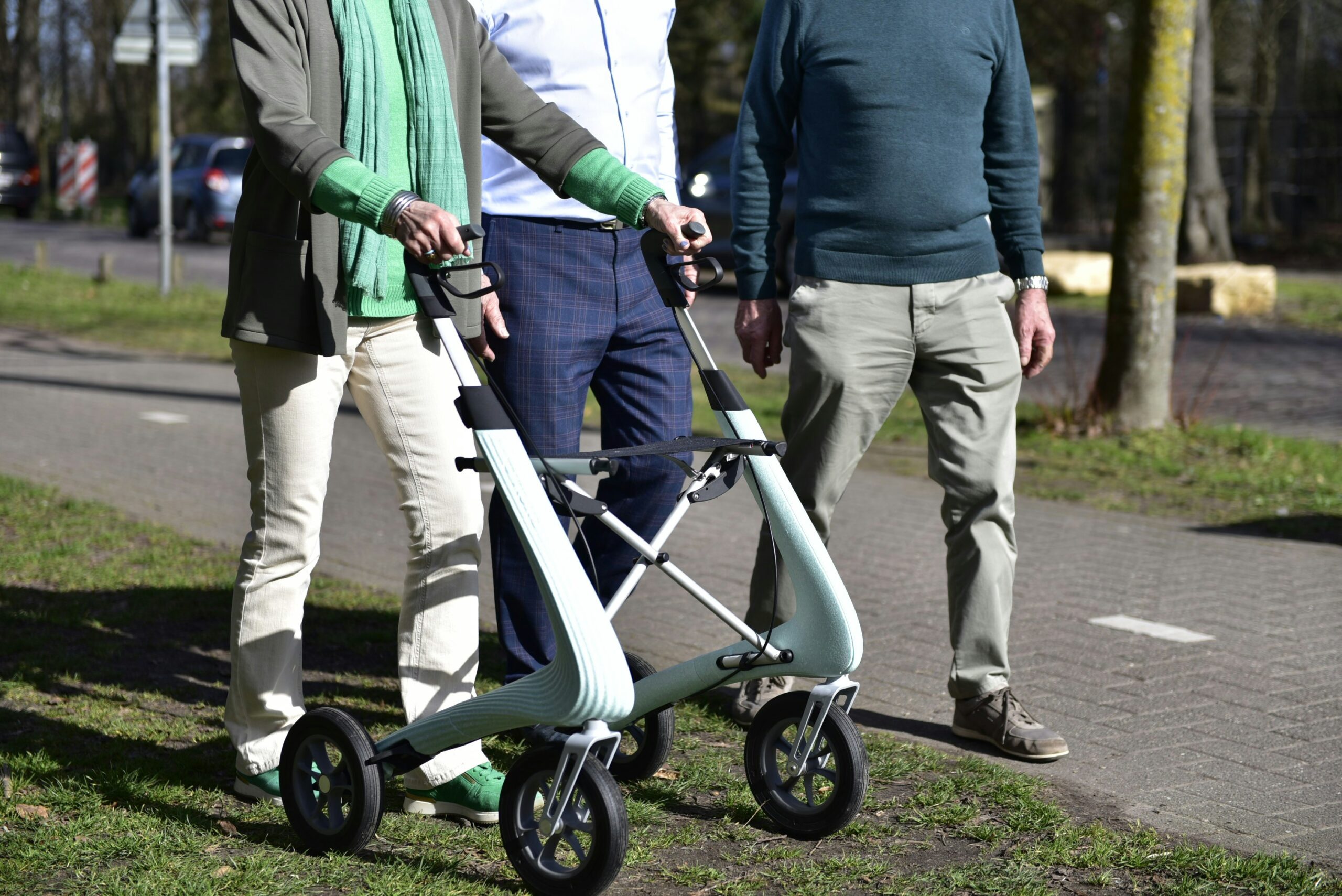
Stairs, loose rugs, poor lighting, and uneven flooring can significantly increase risk. For families supporting aging in place, addressing these hazards is often a top priority.
Common safety improvements may include:
- Installing grab bars
- Improving lighting
- Removing tripping hazards
- Adding handrails
- Using non-slip flooring
Emergency preparedness
Medical emergencies can occur unexpectedly.
Families should establish emergency response plans and consider tools such as medical alert systems, emergency contacts, and regular wellness checks to improve safety.
Financial challenges of aging in place
While remaining at home may initially appear less expensive, costs can accumulate over time.
Home modifications
Supporting aging in place frequently requires changes to the home environment.
These modifications may include:
- Wheelchair ramps
- Accessible bathrooms
- Stair lifts
- Widened doorways
- Mobility-friendly layouts
Although these improvements can enhance safety, they often require a significant financial investment.
Ongoing care expenses
As healthcare needs increase, families may need to hire:
- Home health aides
- Nurses
- Physical therapists
- Personal caregivers
Over time, these expenses can become substantial and may exceed the cost of alternative care options.
The growing demands on family caregivers
Family members frequently become the primary source of support for aging loved ones.
Emotional challenges
Providing care can be rewarding, but it can also be emotionally demanding.
Watching a loved one experience health changes or declining independence may create stress, anxiety, and emotional strain for family caregivers.
Balancing multiple responsibilities
Many caregivers must juggle:
- Careers
- Parenting responsibilities
- Household obligations
- Caregiving duties
Maintaining this balance can become increasingly difficult as support needs grow.
For some families, the demands associated with aging eventually become overwhelming, making additional care solutions necessary.
Social isolation and loneliness
Although remaining at home provides familiarity, it can also increase the risk of social isolation.
Reduced social interaction
As mobility decreases, older adults may find it harder to participate in community activities, visit friends, or attend social gatherings.
Limited interaction can negatively affect emotional health and overall quality of life.
Mental health considerations
Loneliness has been associated with:
- Depression
- Anxiety
- Cognitive decline
- Reduced physical health
Maintaining meaningful social engagement is an important part of successful aging, but it often requires active support from family members and community resources.
When aging in place may no longer be the best option
While many seniors successfully remain at home for years, there may come a point when additional support becomes necessary.
Warning signs can include:
- Frequent falls
- Missed medications
- Difficulty preparing meals
- Increasing isolation
- Memory-related concerns
- Repeated medical emergencies
When these situations begin affecting safety or quality of life, families may benefit from exploring alternative care solutions.
Recognizing that aging in place is not always the best long-term option is an important part of responsible care planning.
Exploring alternative care solutions
Senior living communities and assisted living environments are designed to provide support while helping residents maintain as much independence as possible.
These communities often offer:
- Professional caregiving assistance
- Medication management
- Social activities
- Nutritious meals
- Housekeeping services
- Wellness programs
- Safety monitoring
For many families, these services provide peace of mind while improving overall quality of life for older adults.
Finding the right balance between independence and support
The goal of any care decision should be to maximize safety, comfort, and well-being.
Although aging in place can be a positive solution for many seniors, every situation is unique. Families should regularly evaluate changing needs and remain open to alternatives that may provide a better overall quality of life.
By planning ahead and addressing challenges proactively, families can make thoughtful decisions that support both independence and long-term wellness.
A caring environment can make all the difference
While aging in place offers valuable benefits, there are situations where a supportive community environment becomes the safer and more fulfilling choice. When daily tasks become more difficult, healthcare needs increase, or social isolation begins to affect well-being, assisted living can provide the balance of independence and support that many older adults need.
At Casa de Retiro El Mirador, we understand that every resident deserves personalized attention, meaningful social connections, and a comfortable environment where they can thrive. Our dedicated team focuses on promoting physical, emotional, and social well-being through compassionate care, engaging activities, professional support, and a welcoming community atmosphere.
For families searching for the best option for assisted living in Mexico, Casa de Retiro El Mirador offers a trusted solution built on experience, personalized care, safety, and a genuine commitment to enhancing quality of life. Contact us today to learn how we can help your loved one enjoy greater comfort, companionship, and peace of mind during every stage of aging.