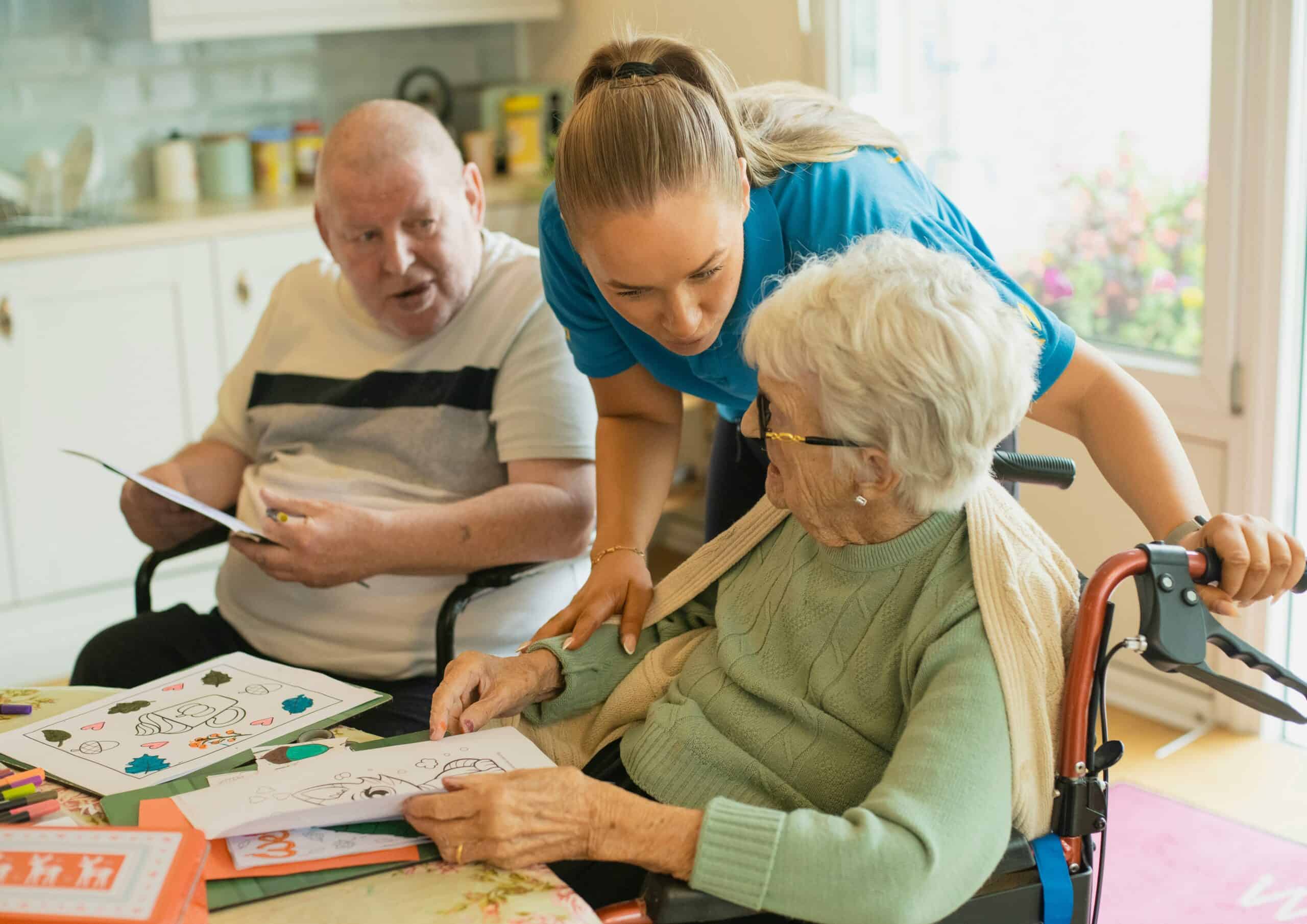
Maintaining independence is one of the biggest priorities for many older adults, and it often comes down to something surprisingly simple: the ability to complete everyday tasks without assistance. Activities of daily living for seniors are the foundation of a safe, healthy, and fulfilling lifestyle because they allow older adults to care for themselves while preserving their dignity and confidence.
As people age, changes in strength, balance, memory, or overall health can make these daily routines more challenging. What once seemed effortless, getting dressed, preparing a meal, or taking medications, may gradually require extra time or support. Recognizing these changes early allows families to provide the right assistance while encouraging seniors to remain as independent as possible.
Understanding the role these activities play is essential for making informed decisions about aging, caregiving, and long-term wellness.
What are activities of daily living?
Healthcare professionals use the term Activities of Daily Living (ADLs) to describe the basic self-care tasks people perform every day. Evaluating activities of daily living for seniors helps determine how independently an older adult can function and whether additional support may be beneficial.
These tasks are generally divided into two categories: basic activities and instrumental activities.
Basic activities of daily living
Basic ADLs include the essential personal care tasks required for everyday living, such as:
- Bathing and personal hygiene
- Dressing independently
- Eating without assistance
- Using the restroom safely
- Moving between rooms, chairs, and beds
These daily functions directly affect a senior’s health, comfort, and ability to live independently.
Instrumental activities of daily living
Instrumental Activities of Daily Living (IADLs) involve more complex responsibilities that allow someone to manage their household and daily routine successfully.
Examples include:
- Grocery shopping
- Preparing healthy meals
- Housekeeping and laundry
- Managing finances
- Taking medications correctly
- Scheduling appointments
- Using transportation
- Communicating with family or healthcare providers
Together, these responsibilities demonstrate how well activities of daily living for seniors support long-term independence and overall well-being.

Why everyday independence matters
Remaining independent is about much more than completing tasks. It also affects emotional health, confidence, and quality of life.
Maintaining confidence and self-esteem
Being able to handle daily responsibilities gives older adults a sense of purpose and accomplishment. Even small routines, like preparing breakfast or choosing clothing for the day, reinforce self-confidence and help preserve personal dignity.
Supporting activities of daily living for seniors allows older adults to continue making decisions about their own lives, promoting greater emotional well-being and reducing feelings of dependence.
Better physical and mental health
Daily movement naturally keeps the body active. Walking around the home, preparing meals, organizing personal belongings, and completing household tasks all encourage mobility while helping maintain muscle strength and flexibility.
At the same time, these responsibilities stimulate cognitive function by requiring memory, planning, organization, and problem-solving skills. Staying mentally engaged through everyday routines may help slow age-related cognitive decline while improving overall quality of life.
When daily tasks become more difficult
Many families don’t immediately notice when an older loved one begins struggling with everyday activities because the changes usually happen gradually.
Some common warning signs include:
- Forgetting to take medications
- Wearing the same clothes repeatedly
- Difficulty preparing meals
- Increased clutter around the home
- Trouble keeping up with personal hygiene
- Missed appointments
- Unexplained weight loss
- Difficulty getting in or out of bed or chairs
These challenges don’t necessarily mean someone has lost their independence. Instead, they often indicate that additional support could help maintain it for longer.
Monitoring activities of daily living for seniors allows families to identify these changes early and make thoughtful decisions before a small concern becomes a larger safety issue.
Practical ways to support daily independence
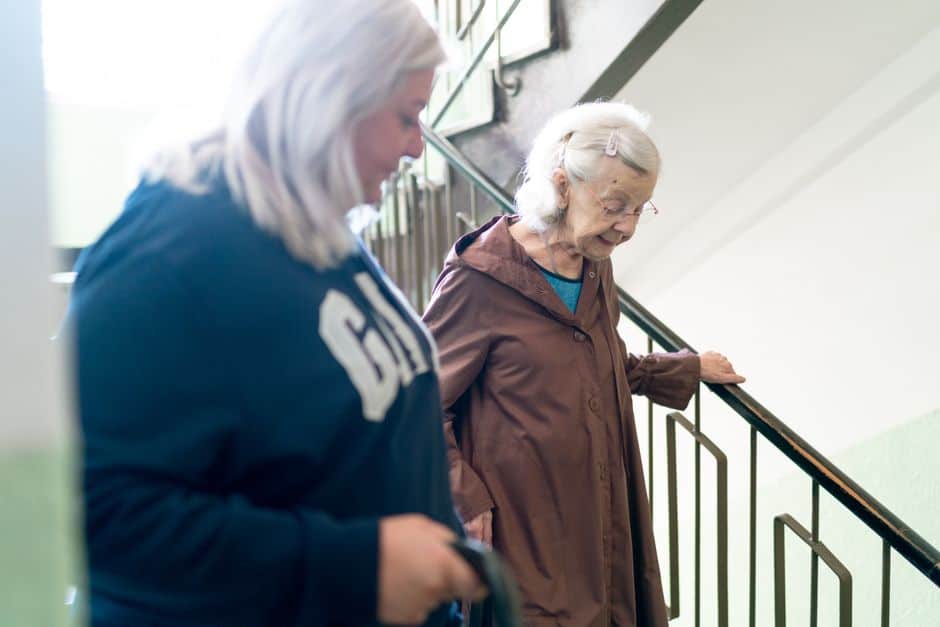
Supporting older adults doesn’t always mean doing everything for them. In many cases, the goal is to provide the right tools, environment, and encouragement so they can continue completing everyday tasks safely and confidently. Promoting activities of daily living for seniors helps preserve independence while reducing the risk of accidents and unnecessary dependence on others.
Make the home safer and easier to navigate
A well-designed living environment can make everyday tasks much more manageable. Small home modifications often allow seniors to remain independent for longer while improving their confidence.
Helpful improvements include:
- Installing grab bars in bathrooms.
- Adding non-slip flooring or bath mats.
- Improving lighting throughout the home.
- Removing loose rugs and other tripping hazards.
- Using furniture that is easy to access.
- Organizing commonly used items within easy reach.
These simple adjustments support activities of daily living for seniors by making routine tasks safer and less physically demanding.
Encourage healthy daily habits
Good nutrition, regular physical activity, quality sleep, and proper hydration all contribute to better strength, balance, and energy levels. These healthy habits make it easier for older adults to continue managing everyday responsibilities without unnecessary assistance.
Routine medical appointments are equally important. Vision changes, hearing loss, arthritis, medication side effects, and chronic health conditions can all affect a person’s ability to complete daily tasks safely. Addressing these concerns early helps protect activities of daily living for seniors while supporting long-term health.
How families can encourage independence
It can be difficult for loved ones to know when to step in and when to step back. While helping with daily tasks often comes from a place of love, doing too much may unintentionally reduce a senior’s confidence and independence.
Instead, families should focus on encouraging participation whenever possible.
Simple ways to help include:
- Allowing extra time to complete tasks.
- Offering guidance instead of immediately taking over.
- Celebrating small accomplishments.
- Creating consistent daily routines.
- Encouraging hobbies and social interaction.
- Maintaining open communication about changing needs.
Supporting activities of daily living for seniors in this way allows older adults to remain actively involved in their own care while feeling respected and empowered.
Knowing when additional support is the right choice
There may come a time when completing everyday activities becomes increasingly difficult despite a family’s best efforts. Frequent falls, missed medications, poor nutrition, memory changes, or difficulty maintaining personal hygiene may indicate that a safer, more supportive environment is needed.
This doesn’t mean a senior has lost their independence. In many cases, receiving professional assistance actually helps preserve it by providing personalized support while encouraging residents to remain active and engaged.
Communities that focus on individualized care help residents continue participating in activities of daily living for seniors at a pace that matches their abilities. Instead of taking away independence, the right level of support allows older adults to maintain it with greater confidence and safety.
Supporting independence starts with the right environment
Every senior deserves the opportunity to live with dignity, purpose, and as much independence as possible. By encouraging activities of daily living for seniors, families can help their loved ones maintain physical health, cognitive function, emotional well-being, and a higher quality of life for years to come.
For families exploring retirement homes in Mexico, finding a community that encourages independence while providing personalized care can make all the difference. At Casa de Retiro El Mirador, we create an environment where residents receive the support they need without losing the freedom to enjoy their daily routines. Our experienced caregivers, engaging activities, comfortable accommodations, and individualized approach to care help every resident remain as active, confident, and independent as possible.
If you’re looking for one of the most trusted retirement homes in Mexico, Casa de Retiro El Mirador offers compassionate care, a welcoming community, and the peace of mind that comes from knowing your loved one is supported every step of the way.