Falls are one of the most common health concerns older adults face, yet many of them can be prevented with the right combination of awareness, lifestyle changes, and a safe living environment. Prioritizing fall prevention for seniors helps reduce the risk of serious injuries while allowing older adults to remain active, confident, and independent for as long as possible.
According to the Centers for Disease Control and Prevention (CDC), millions of adults over the age of 65 experience a fall every year. While some falls result in only minor bruises, others can lead to fractures, head injuries, hospitalization, or a permanent loss of mobility. Recovery can also take an emotional toll, causing many seniors to lose confidence and become less active, which may increase the risk of falling again.
Fortunately, taking preventive steps early can make a significant difference. From improving balance and strength to creating a safer home, there are many ways families can support healthy aging while minimizing unnecessary risks. Understanding the most common causes of falls is the first step toward creating a safer future.
Why falls become more common with age
Growing older naturally brings physical changes that can affect balance, coordination, muscle strength, and reaction time. While these changes are normal, they also make fall prevention for seniors more important than ever.
Changes in strength and balance
Muscle mass gradually decreases with age, making everyday movements such as standing up, climbing stairs, or walking across uneven surfaces more difficult. Reduced flexibility and slower reflexes can also make it harder to recover from a stumble before it turns into a fall.
Balance problems may develop gradually, so many older adults do not immediately recognize how much their mobility has changed. Staying physically active and monitoring these changes can help reduce future risks.
Chronic health conditions
Many medical conditions can increase the likelihood of falling. Arthritis, osteoporosis, Parkinson’s disease, diabetes, vision disorders, and cognitive decline all affect mobility in different ways. Even temporary illnesses or dehydration may cause dizziness or weakness that increases fall risk.
Routine medical checkups allow healthcare providers to identify potential concerns early and recommend treatments or lifestyle adjustments that support safer mobility.
Medication side effects
Certain prescription and over-the-counter medications may contribute to falls by causing dizziness, blurred vision, drowsiness, or sudden drops in blood pressure. Seniors who take multiple medications should regularly review them with their physician or pharmacist to determine whether adjustments are necessary.
Small home changes that can make a big difference
The home should be one of the safest places for an older adult, yet it is where many falls occur. Creating a safer environment is one of the most effective ways to improve fall prevention for seniors without dramatically changing daily routines.
Remove everyday tripping hazards
Many accidents happen because of simple obstacles that often go unnoticed. Identifying and eliminating these hazards is one of the easiest ways to improve fall prevention for seniors and create a safer home environment.
Take time to inspect each room and remove hazards such as:
- Loose electrical cords
- Throw rugs without non-slip backing
- Cluttered walkways
- Small furniture placed in narrow paths
- Uneven flooring or loose tiles
Keeping frequently used items within easy reach also prevents unnecessary climbing or stretching.
Improve lighting throughout the home
Poor visibility can make it difficult to identify obstacles, especially during the evening or early morning hours.
A safer home should include:
- Bright LED lighting in every room
- Night lights in bedrooms, bathrooms, and hallways
- Motion-activated lighting near entrances and stairways
- Light switches that are easy to access from every doorway
Good lighting allows seniors to recognize potential hazards more easily and move around with greater confidence, making it another essential element of fall prevention for seniors.
Add support where it’s needed most
Bathrooms and staircases are among the highest-risk areas for falls.
Installing grab bars near toilets and showers provides additional stability during transfers, while sturdy handrails on both sides of staircases make climbing and descending much safer. Non-slip mats inside and outside the shower can also help prevent slips on wet surfaces.
These relatively small modifications can have a lasting impact on fall prevention for seniors, giving older adults greater confidence while performing everyday activities.
Daily habits that help prevent falls
Creating a safer home is only one part of the equation. Healthy daily habits also play an important role in fall prevention for seniors by improving strength, coordination, and overall physical health.
Stay active with strength and balance exercises
Regular movement helps preserve muscle mass, flexibility, and coordination. Even gentle activities performed several times each week can improve stability and reduce the risk of falls.
Some of the most beneficial exercises include:
- Walking
- Tai chi
- Yoga designed for older adults
- Water aerobics
- Light resistance training
- Balance exercises recommended by a physical therapist
Before beginning a new exercise program, seniors should always consult their healthcare provider, particularly if they have existing medical conditions or mobility limitations. Staying physically active under professional guidance is one of the most effective ways to support fall prevention for seniors, as stronger muscles and better balance can significantly lower the risk of everyday accidents.
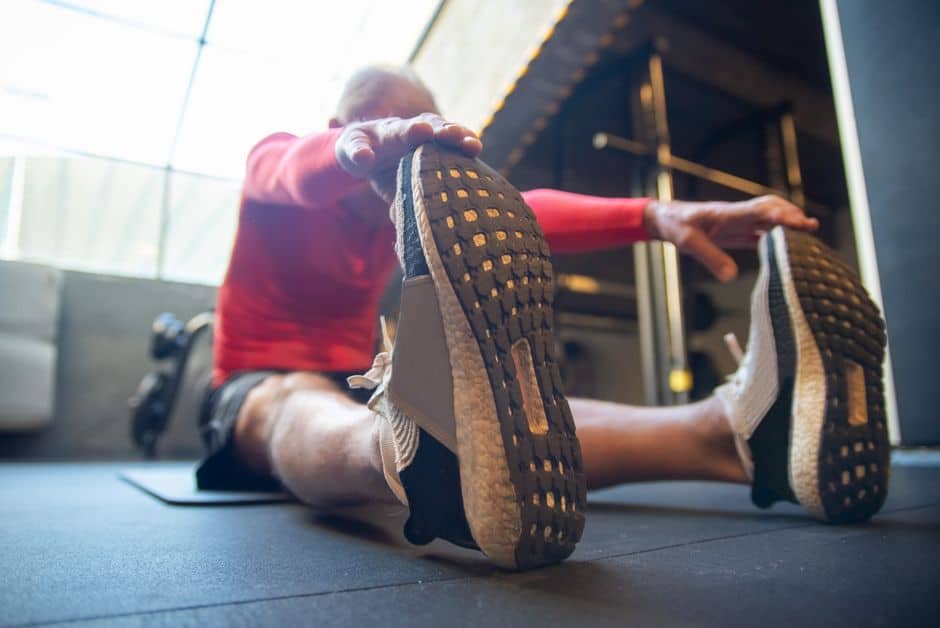
Choose footwear that supports stability
Shoes can make a surprising difference in reducing fall risk.
Supportive footwear should have:
- Non-slip soles
- Good arch support
- A secure fit
- Low, stable heels
Walking in socks, loose slippers, or worn-out shoes can increase the chance of slipping, especially on smooth flooring. Wearing the proper footwear every day is another simple but highly effective strategy for fall prevention for seniors.
Nutrition and hydration also play an important role
Many people associate falls only with mobility, but overall health has a significant impact on stability as well. Proper nutrition, adequate hydration, and regular sleep all contribute to better physical function and can support fall prevention for seniors.
Dehydration may cause dizziness, confusion, or low blood pressure, increasing the likelihood of losing balance. Likewise, skipping meals or eating an unbalanced diet can lead to fatigue and muscle weakness. A healthy diet rich in protein, calcium, vitamin D, and other essential nutrients helps maintain muscle strength and bone health, making it easier to stay active and recover from minor slips without serious injury.
Why regular health checkups matter
Even seniors who feel healthy should schedule routine medical appointments. Many conditions that contribute to falls develop gradually and may not be noticeable at first.
Vision and hearing exams are especially important, as changes in eyesight or hearing can affect depth perception, awareness of surroundings, and overall balance. Healthcare providers should also evaluate mobility, muscle strength, and any medications that could increase the risk of falling.
Taking a proactive approach to preventive care is another valuable part of fall prevention for seniors, helping identify concerns before they become serious problems.
Creating a safer routine every day
Preventing falls isn’t about making one major change, it’s about building safer habits that become part of everyday life. Small adjustments made consistently often have the greatest impact over time.
Encourage older adults to:
- Take their time when standing up from a chair or bed.
- Use handrails whenever available.
- Avoid carrying heavy objects that block their view.
- Keep frequently used items within easy reach.
- Wear prescription glasses and hearing aids if recommended.
- Ask for assistance when a task feels unsafe.
These simple habits may seem minor, but together they significantly strengthen fall prevention for seniors and help older adults feel more confident in their daily routines.
When extra support can make all the difference
For some older adults, even after making home modifications and adopting healthy habits, living alone may no longer provide the safest environment. Frequent falls, declining mobility, memory concerns, or difficulty managing daily activities may indicate that additional support is needed. In many cases, professional assistance becomes an important part of fall prevention for seniors, providing the supervision and daily support needed to reduce unnecessary risks.
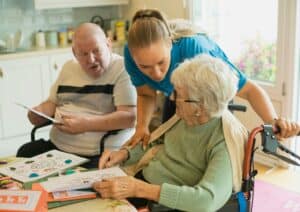
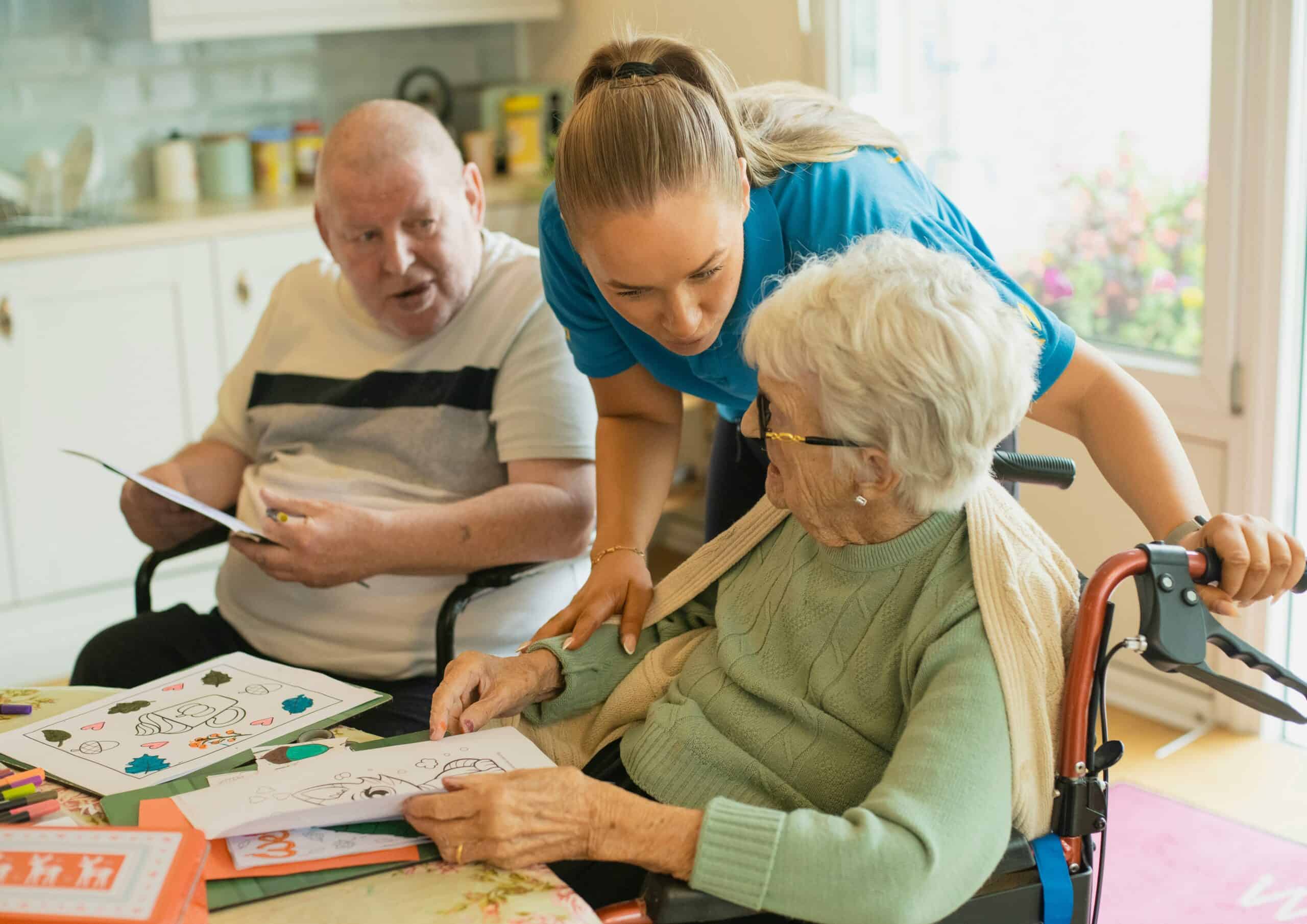
An assisted living community offers more than help with everyday tasks. It provides a secure environment where trained caregivers are available, emergency assistance is always nearby, and wellness programs encourage residents to remain as active and independent as possible. These services also contribute to fall prevention for seniors by creating a safer setting where mobility challenges can be addressed before they lead to serious injuries.
Making this transition isn’t about giving up independence, it’s about creating the right conditions to maintain it safely.
A safer environment helps seniors live with confidence
Every step taken toward fall prevention for seniors helps protect health, preserve independence, and improve quality of life. While no strategy can eliminate every risk, combining regular exercise, medical care, healthy habits, and a safer living environment can dramatically reduce the likelihood of serious falls.
For families exploring assisted living in Mexico, choosing a community that prioritizes safety, personalized care, and an active lifestyle can provide invaluable peace of mind. At Casa de Retiro El Mirador, residents benefit from thoughtfully designed living spaces, compassionate caregivers, daily support tailored to their individual needs, and engaging activities that promote mobility and overall well-being. Every aspect of our community is focused on helping older adults enjoy a fulfilling lifestyle while reducing common risks associated with aging.
If you’re looking for an assisted living community where safety, comfort, and quality of life come together, Casa de Retiro El Mirador is proud to provide the compassionate care and supportive environment seniors deserve.