Aging brings change, some expected, others not so much. While most conversations focus on physical health, there’s another piece that quietly shapes how we experience this stage of life: mental health in aging. The way we think, feel, and stay connected plays a huge role in overall well-being, independence, and even longevity.
For many people, growing older can come with major life transitions. Retirement, changes in routine, or the loss of close relationships can shift daily life in ways that aren’t always easy to process. That’s why paying attention to mental health in aging isn’t just helpful, it’s essential for maintaining a sense of balance, purpose, and enjoyment.
The good news is that staying mentally strong doesn’t require complicated routines or drastic changes. Often, it’s about small, consistent habits that support both the mind and body over time.
What changes as we age, and why it matters
It’s completely normal to experience shifts in memory, energy levels, and emotional responses over the years. But mental health in aging goes beyond occasional forgetfulness or mood changes. It also includes how we cope with stress, stay socially engaged, and adapt to new circumstances.
Some older adults may experience feelings of loneliness, anxiety, or even depression, especially when daily interactions become less frequent. Others may struggle with uncertainty or a loss of structure after major life changes. These experiences are more common than people realize, and they highlight why mental health deserves more attention.
There’s also a strong connection between physical and mental well-being. Chronic conditions, reduced mobility, or ongoing pain can affect mood and motivation. At the same time, a positive mental state can improve resilience, making it easier to manage physical health challenges.
Staying active makes a bigger difference than you think
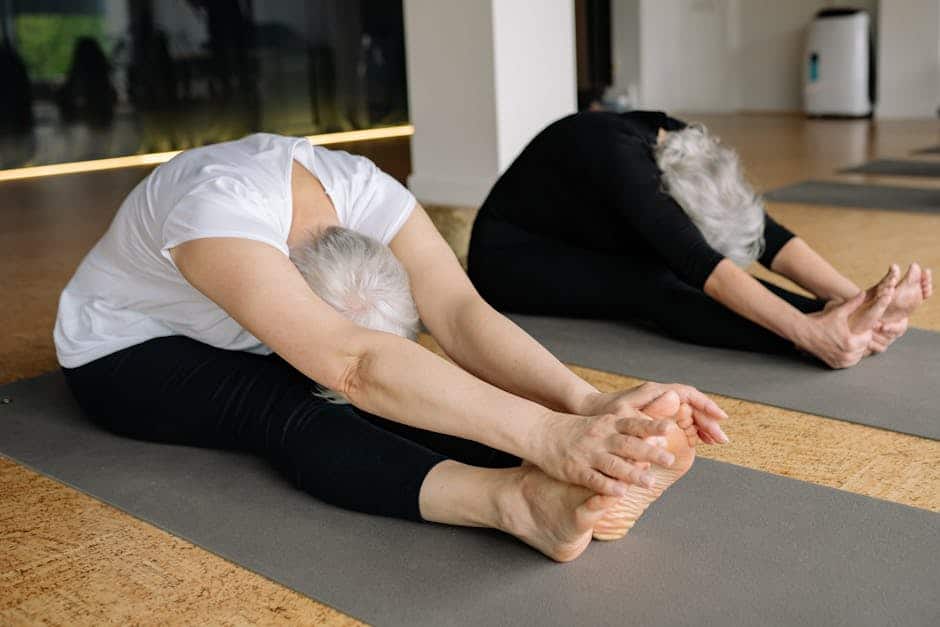
Movement isn’t just about staying in shape, it directly supports mental health in aging. Regular physical activity helps release endorphins, which naturally improve mood and reduce stress. It also supports better sleep, sharper thinking, and increased energy throughout the day.
The key isn’t intensity, but consistency. Simple activities like walking, stretching, swimming, or light strength training can have a noticeable impact over time. Even something as simple as a daily walk outdoors can help clear the mind and create a sense of routine.
Beyond the physical benefits, staying active can also provide structure. Having something to look forward to each day, even a short activity, can improve motivation and overall outlook.
The role of connection in emotional well-being
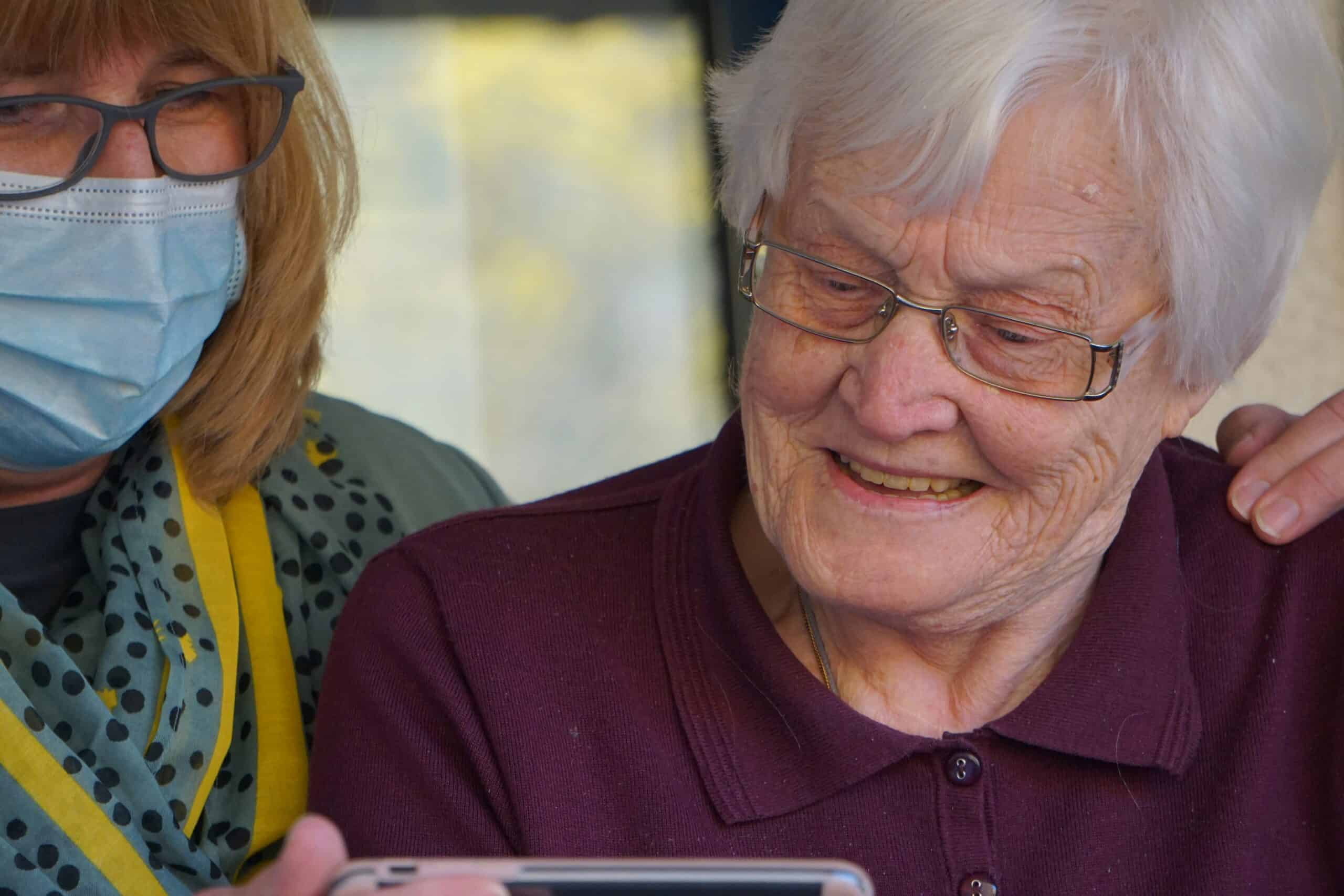
Human connection plays a major role in mental health in aging, yet it’s often one of the first things to change over time. Friends move, families get busy, and social circles naturally shift. Without intentional effort, it’s easy for isolation to set in.
Staying connected doesn’t have to mean large social gatherings. Regular conversations, shared meals, or even small interactions can make a difference. What matters most is feeling seen, heard, and part of something.
For many older adults, engaging with others helps reinforce a sense of identity and belonging. It also creates opportunities to share experiences, laugh, and stay emotionally engaged, all of which support mental health in aging in meaningful ways.
Keeping the mind engaged
Just like the body, the brain benefits from regular activity. Keeping the mind engaged is one of the most effective ways to support mental health in aging and maintain cognitive function.
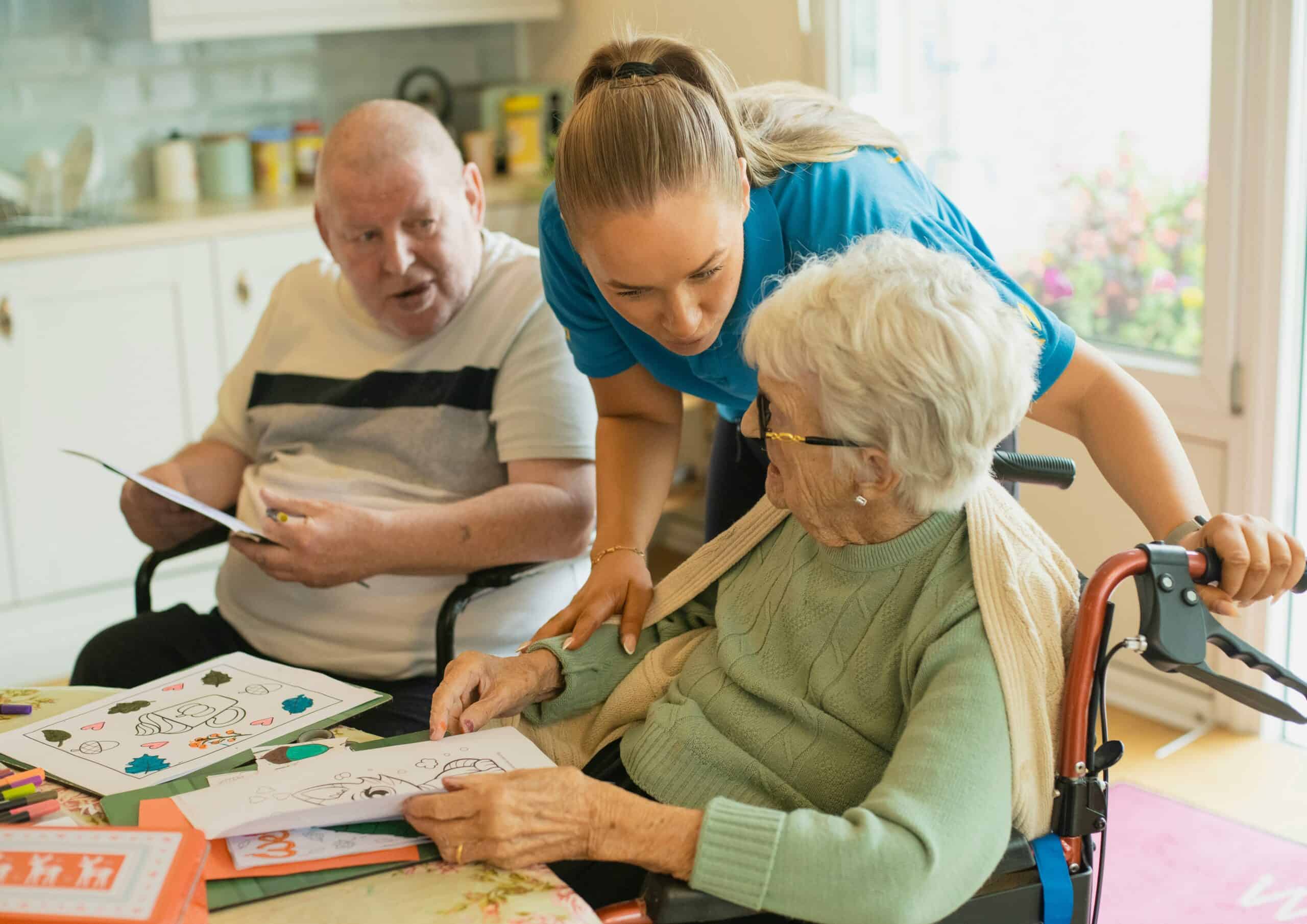
This doesn’t have to feel like work. Reading, learning a new skill, trying a hobby, or even playing simple games can stimulate the brain. The goal is to stay curious and mentally active.
Activities that challenge thinking, like puzzles, memory games, or learning something new, can strengthen neural connections and improve focus. Over time, these habits help maintain mental sharpness and contribute to a more positive mindset.
Small habits that support a better outlook
Daily routines have a bigger impact on mental health in aging than most people expect. Simple habits can create stability, reduce stress, and improve emotional balance.
Mindfulness, for example, doesn’t require long meditation sessions. It can be as simple as taking a few minutes to breathe deeply, slow down, and be present. These moments can help reduce anxiety and create a sense of calm.
Nutrition also plays a role. A balanced diet supports brain function, energy levels, and mood. Staying hydrated and maintaining regular meals can make a noticeable difference in how you feel throughout the day.
Sleep is another key factor. Consistent rest helps regulate emotions, improve memory, and support overall mental clarity. Even small improvements in sleep quality can positively affect mental health in aging.

Creating an environment that supports well-being
Where and how we live can influence daily habits more than we realize. A comfortable, safe, and engaging environment can make it easier to stay active, connected, and mentally stimulated.
Spaces that encourage interaction, routine, and a sense of ease naturally support mental health in aging. On the other hand, environments that feel isolating or stressful can make it harder to maintain positive habits.
This is why more families are starting to think not just about care, but about lifestyle. The goal isn’t only to address needs, but to create a setting where older adults can continue to enjoy life, stay engaged, and feel supported.
A more complete way to think about aging
At its core, mental health in aging is about quality of life. It’s not just about avoiding challenges, but about creating conditions where people can feel good, stay connected, and maintain a sense of purpose.
As these conversations become more common, many families begin looking beyond traditional routines at home. They start searching for environments that balance independence with the right level of support, places where daily life feels easier, more engaging, and less stressful.
This shift has led more people to consider alternatives that prioritize both well-being and lifestyle. Among those options, Mexico retirement homes have gained attention for offering a combination of comfort, community, and personalized care that naturally supports strong mental health in aging.
Places like Casa de Retiro El Mirador are part of this new way of thinking, where care isn’t just about meeting needs, but about creating an environment where people can truly enjoy this stage of life, feel connected, and continue to thrive every day.