Loneliness is something many people experience at different stages of life, but it can become especially noticeable with age. Loneliness in elderly individuals isn’t always about being physically alone, it’s often about feeling disconnected, even when others are around. That emotional gap can quietly affect daily life, mood, and overall health in ways that are easy to overlook.
As routines change and social circles shift, it becomes more important to recognize how loneliness shows up, what contributes to it, and what actually helps improve the situation in a meaningful way.
When being alone doesn’t feel like a choice
There’s a difference between enjoying solitude and feeling isolated. Many older adults value their independence and personal space, but loneliness tends to appear when meaningful connection starts to fade.
This can happen for many reasons. Retirement often reduces daily interaction. Friends or partners may no longer be present. Physical limitations can make it harder to go out or stay socially active. Over time, these changes can lead to a sense of disconnection that isn’t always easy to express.
Some people experience this more emotionally, missing deep, close relationships. while others feel it socially, as their circle becomes smaller. In both cases, loneliness in elderly individuals can develop gradually, without a clear starting point.
How it affects more than just mood
The impact of loneliness goes beyond occasional sadness. It can influence both mental and physical health in ways that build over time.
On the emotional side, prolonged loneliness is often linked to higher levels of anxiety and depression. It can also reduce motivation, making everyday activities feel heavier or less meaningful. Over time, this emotional weight can affect confidence, communication, and overall outlook on life.
There’s also a cognitive side to consider. Studies have shown that loneliness in elderly individuals may be associated with faster cognitive decline. When the mind isn’t regularly engaged through conversation, learning, or interaction, it can lose some of its sharpness.
Physically, the effects can be just as significant. Increased stress levels, sleep disturbances, and even heart-related issues have been linked to long-term isolation. That’s why addressing loneliness in elderly individuals isn’t just about comfort, it’s about overall well-being.

What actually helps
Not every solution works the same way, but the most effective approaches tend to focus on connection, purpose, and routine.
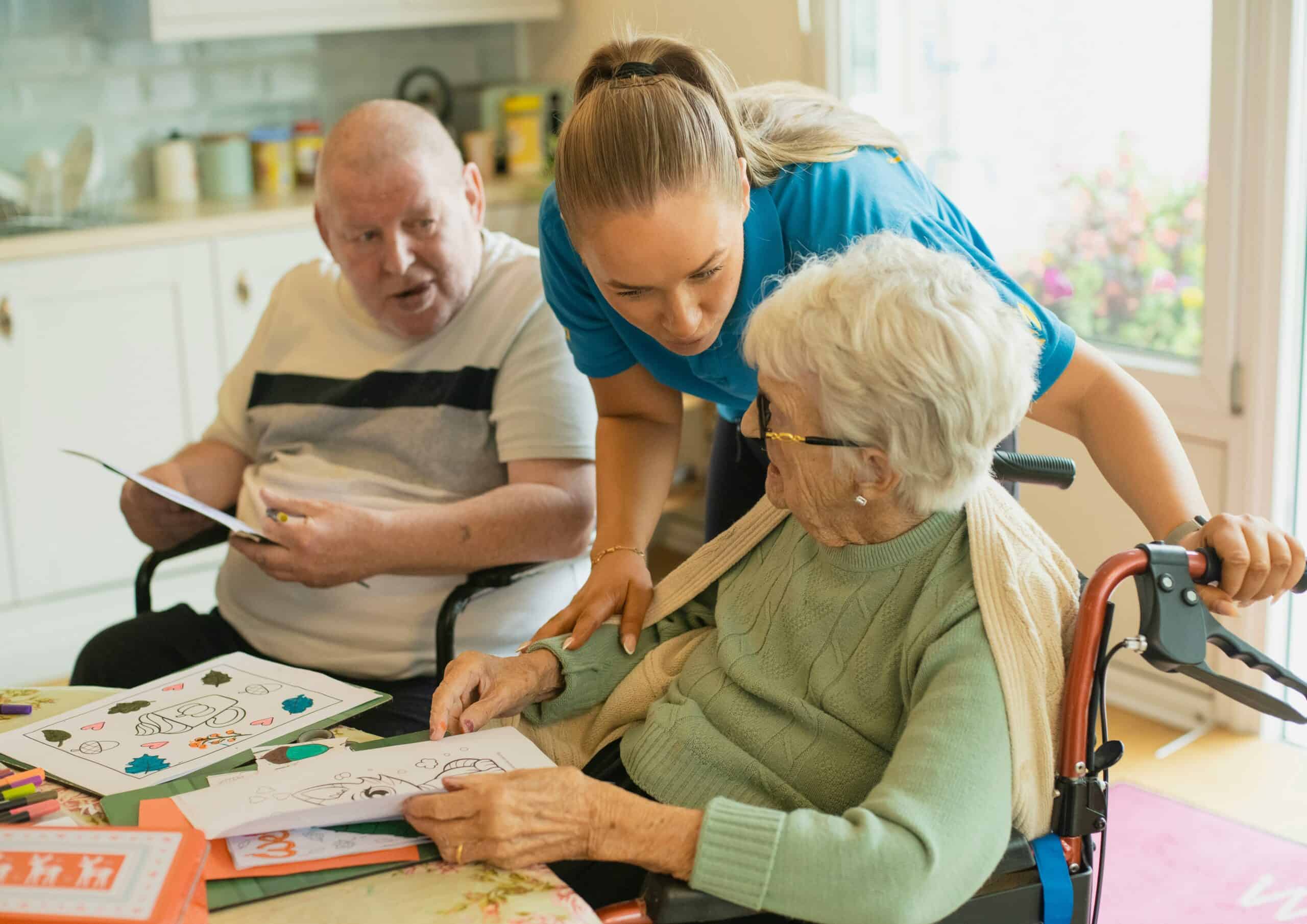
Regular social interaction is one of the strongest ways to reduce loneliness in elderly individuals. This doesn’t have to mean large gatherings or constant activity. Simple, consistent interactions, like conversations, shared meals, or group activities, can make a meaningful difference.
Having a sense of purpose also plays a key role. Whether it’s participating in a hobby, helping others, or being part of a community, feeling useful and involved can shift how someone experiences their day-to-day life.
Staying mentally and physically active supports this as well. Activities like walking, light exercise, reading, or learning something new can improve mood and create structure. Over time, these habits help reduce the intensity of loneliness in elderly individuals by keeping both the mind and body engaged.
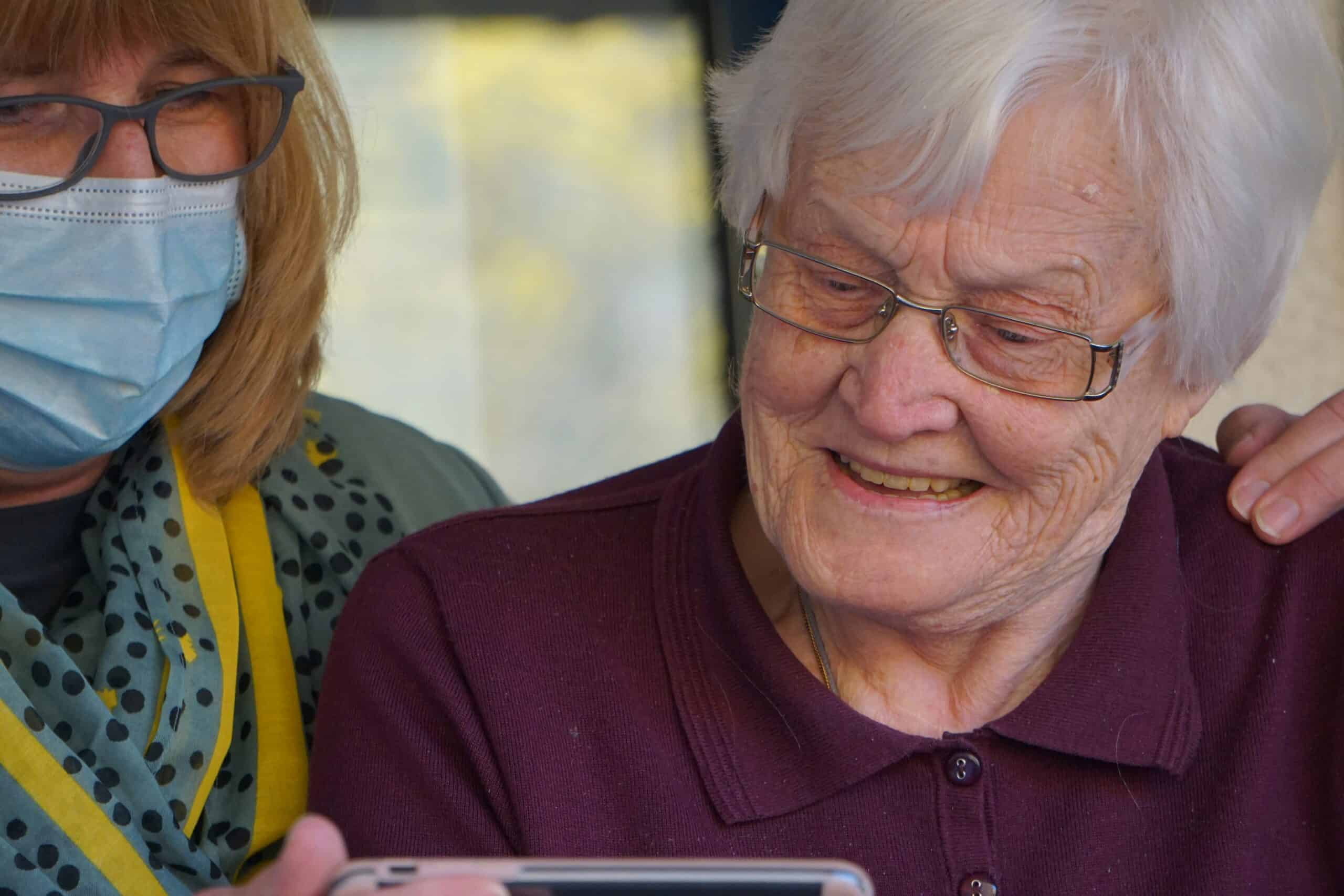
Technology can also help bridge gaps, especially when distance is a factor. Video calls, messaging, or even online communities can provide a sense of connection when in-person interaction isn’t always possible.
What doesn’t really solve the problem
While many people try to help, some common approaches don’t fully address loneliness in elderly individuals, and can sometimes make it worse.
For example, occasional family visits, while valuable, are not always enough. A short visit doesn’t replace the need for ongoing connection or daily interaction. Without consistency, the feeling of loneliness can return quickly.
Another common misconception is that keeping someone “entertained” solves the issue. Passive activities like watching TV for long periods may fill time, but they don’t create real engagement or connection. As a result, loneliness in elderly individuals often remains unchanged.
There’s also the risk of overcorrecting. Too much intervention, especially when it limits independence, can lead to frustration or resistance. Many older adults still want control over their routines and decisions, and that sense of autonomy is important for emotional well-being.
Medication is sometimes used to manage related symptoms like anxiety or depression, but on its own, it doesn’t address the root cause. Without social and emotional support, loneliness in elderly individuals can persist beneath the surface.

The role of environment in everyday well-being
One factor that often gets overlooked is how much the surrounding environment influences daily life. The spaces people live in, and the opportunities those spaces provide, can either support or limit connection.
An environment that encourages interaction, routine, and shared experiences can naturally reduce loneliness in elderly individuals. On the other hand, living in isolation or without regular opportunities for engagement can make it harder to build or maintain connections.
This is why more families are starting to think beyond short-term solutions. Instead of only addressing moments of loneliness, they begin to look at the bigger picture: how to create a lifestyle where connection, activity, and support are part of everyday life.
A more supportive way to approach this stage of life
As awareness around loneliness in elderly individuals continues to grow, so does the understanding that environment, community, and daily interaction all play a role in long-term well-being.
For many families, this leads to exploring options that provide more than occasional support. They look for settings where social connection happens naturally, where routines are structured but flexible, and where care is available without taking away independence.
In that search, assisted living in Mexico has become an option worth considering. With a focus on community, personalized attention, and a more relaxed lifestyle, it offers a setting where older adults can stay engaged, supported, and connected on a daily basis.
Places like Casa de Retiro El Mirador reflect this approach, creating an environment where residents are not only cared for, but also surrounded by opportunities to interact, participate, and enjoy their day-to-day life. In the end, addressing loneliness in elderly individuals isn’t about a single solution, but about creating the right conditions for people to feel connected again.