
Recognizing the early warning signs of Alzheimer’s can make a significant difference in the management and treatment of this progressive disease. Catching these signs early allows for timely intervention, potentially slowing the progression and providing better outcomes for those affected. Alzheimer’s and dementia are not just about simple memory lapses; they can sneak up in small, cumulative changes that are easy to overlook. Here, we focus on the key signs of Alzheimer’s that are crucial to identify and address without delay.
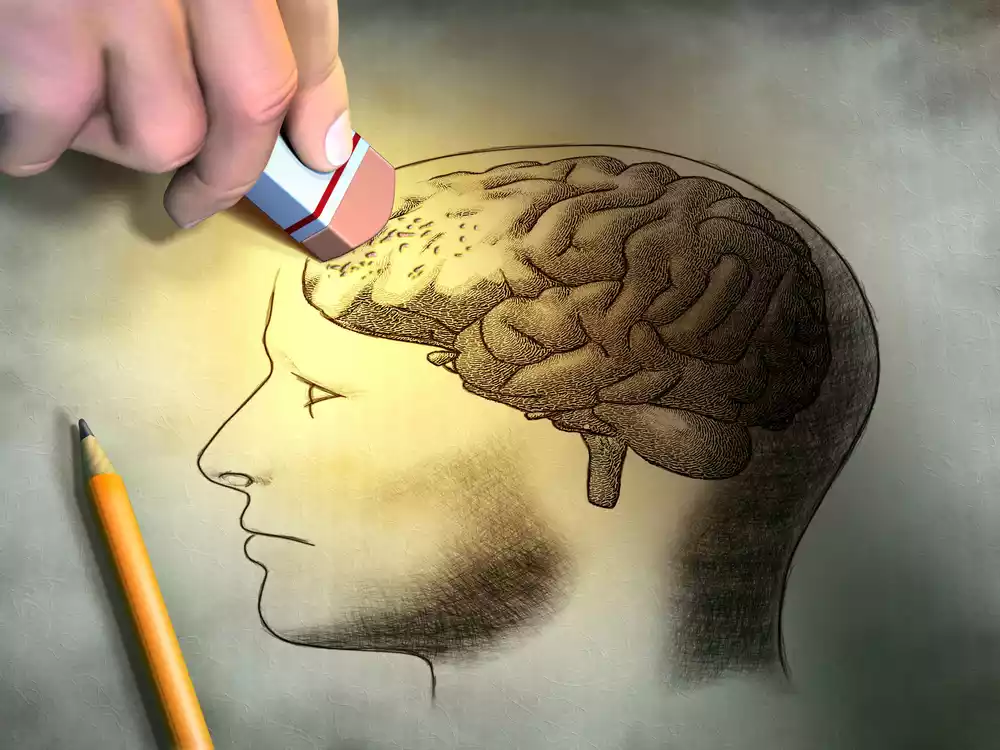
Memory loss affecting daily life
One of the most common signs of Alzheimer’s is memory loss that disrupts daily living. While everyone can forget things from time to time, ongoing forgetfulness that interferes with work or social activities is a red flag.
- Forgetting recently learned information: Regularly forgetting important dates or events and needing reminders from loved ones.
- Relying heavily on memory aids: Increasing dependence on notes, calendars, or electronic alerts to manage daily tasks.
Difficulty completing familiar tasks
People exhibiting signs of Alzheimer’s often find it challenging to complete routine tasks that they’ve done innumerable times throughout their lives.
- Trouble driving to a familiar location: Forgetting directions or getting lost on a known route.
- Struggling with household tasks: Difficulty cooking a familiar meal or managing household finances.
Confusion with time or place
Alzheimer’s often manifests as struggles with orientation and perception of time and space.
- Losing track of dates: Confusion about the time of day, date, or season, which can result in missed appointments.
- Not knowing how they got somewhere: Difficulty recalling how they arrived at a location or why they are there.
Difficulty with language and speech
Another sign of Alzheimer’s is challenges in communication. People may find it tough to follow or engage in conversations.
- Problems in joining conversations: Pausing in the middle of conversations or repeating themselves without realizing it.
- Forgetting common words: Struggling to find the right word or calling things by the wrong name.
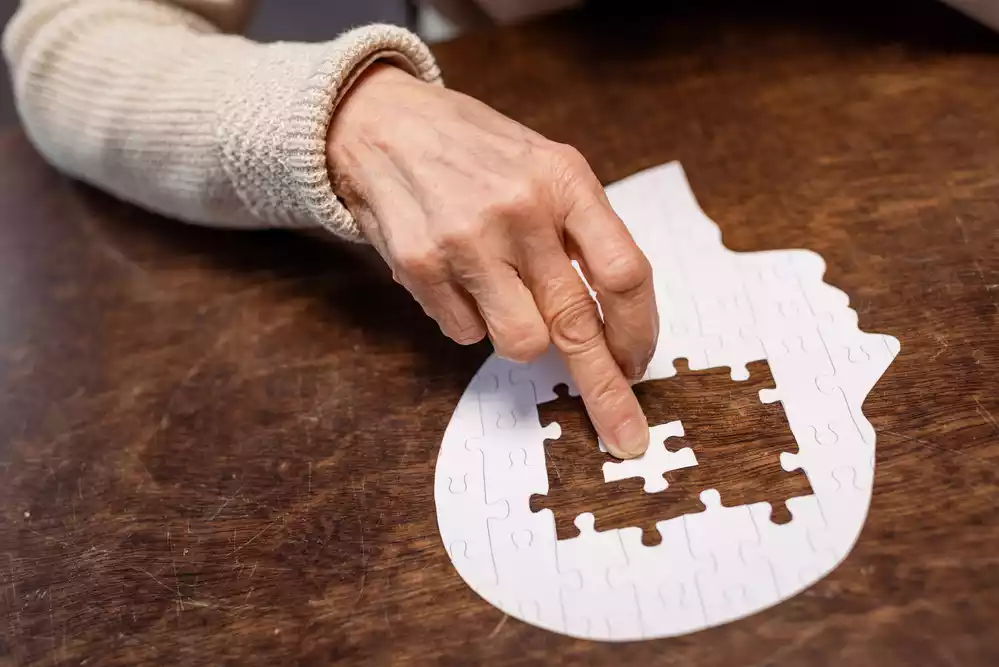
Decreased problem-solving skills
A noticeable decline in the ability to make and follow plans or work with numbers might be indicative of Alzheimer’s.
- Difficulty managing finances: Trouble balancing a checkbook or tracking monthly bills.
- Issues following recipes: Getting confused by step-by-step instructions or failing to follow directions correctly.
Misplacing things frequently
Frequently placing items in unusual spots and then being unable to retrace steps to find them is a behavioral hallmark.
- Losing items: Placing common items like keys or wallets in strange places, such as the fridge or shoe cabinet.
- Accusing others of theft: Increasingly blaming family members for “stealing” lost items.
Poor judgment and decision making
A drop in judgment skills, often visible in questionable decision-making, is another indicator of cognitive decline.
- Ignorance of personal care: Poor hygiene and grooming habits, such as forgetting to shower or dress appropriately.
- Strange financial decisions: Making large donations to unfamiliar causes or spending money irresponsibly.
Withdrawal from work or social activities
A reluctance to engage in social activities or hobbies they once loved can be one of the signs of Alzheimer’s.
- Avoiding social gatherings: Pulling away from activities that require social interaction due to fear of not following conversations.
- Disengagement from work projects: A decline in performance at work due to difficulties concentrating and keeping up with tasks.
Changes in mood and personality
Significant changes in mood and personality can be early signs of Alzheimer’s, affecting how a person interacts with others.
- Increased anxiety or irritability: Suddenly becoming anxious, suspicious, or easily upset over minor issues.
- Shifts in personality: Developing apathy, depression, or changes in demeanor that seem out of character.
Taking action early with alzheimer’s signs
Recognizing the signs of Alzheimer’s early on is crucial. Early intervention can help manage symptoms more effectively and enhance quality of life. Here are steps to take if these signs become apparent:
- Consult with a healthcare professional: Seeking a diagnosis from a doctor or neurologist can confirm suspicions and allow you to explore treatment options.
- Create a support network: Establish a system of supportive family and friends and consider support groups for both patients and caregivers to help navigate the challenges.
- Plan for the future: Addressing legal, financial, and care preferences can ensure autonomy and preparedness as the condition progresses.
Nurturing life with early intervention
Paying close attention to the early signs of Alzheimer’s is crucial for ensuring that those affected receive timely and effective care. When these signs are identified early, it allows for interventions that can potentially slow the progression of the disease, significantly enhancing quality of life. Early management may include lifestyle changes, medication, and therapies that contribute to cognitive health and emotional well-being. By taking these proactive steps, families can create a supportive environment where their loved ones continue to thrive and find joy in daily activities. Recognizing and addressing these signs provides families with a hopeful path forward, ensuring their loved ones receive the care and understanding they deserve.

Casa de Retiro El Mirador: Your partner in memory care
At Casa de Retiro El Mirador, we understand the profound impact that Alzheimer’s and dementia can have on people and their families. As a leading provider of memory care Mexico, our commitment to providing comprehensive care goes beyond basic support. We offer personalized programs that address each resident’s unique needs, focusing on preserving dignity, enhancing skills, and fostering a sense of belonging. Our compassionate team is dedicated to creating a warm, nurturing environment where every resident feels valued and supported. By integrating innovative care approaches with empathy and expertise, we strive to enhance the lives of those living with memory-related conditions. Contact us today to learn how we can assist you and your loved ones in navigating the complexities of memory care with grace and understanding.